
ANTI FRAGILE
Things That Gain From Disorder
SELF IMPROVMENT
Getting to Know Anti-Fragility
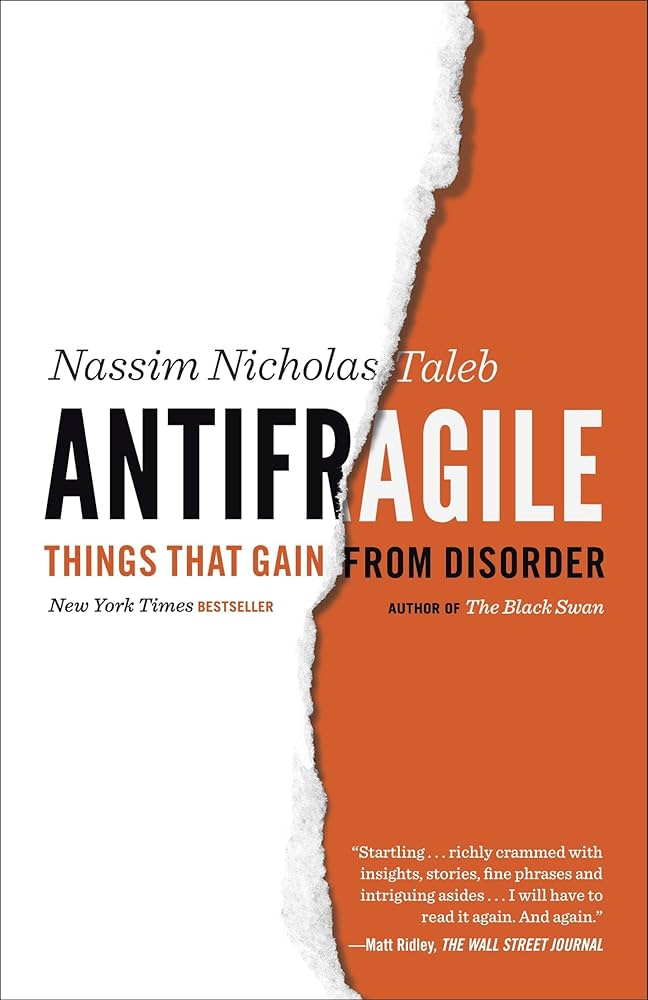
So, anti-fragility is this cool concept that Nassim Nicholas Taleb talks about in his book, "Anti-Fragile: Things That Gain from Disorder." It’s got a unique take on how we handle life's curveballs. Unlike fragile stuff that falls apart when things get tough, or even the sturdy things that just hold on, anti-fragile systems actually do better when chaos hits! It’s all about embracing the unpredictability and using it to our advantage. That’s what makes anti-fragile folks and organizations stand out in today’s crazy world.
The Key Points of Anti-Fragility
To really get what it means to be anti-fragile, you have to know its main ideas. First off, it’s all about using challenges to get better. When stuff gets tough, instead of panicking or freezing up, anti-fragile people see a chance to grow.
Plus, being okay with randomness and uncertainty is a big part of the anti-fragile mindset. Instead of trying to map out every tiny detail or making overly strict plans, these individuals know how to adapt and shift quickly when life throws them a curveball. This skill is super important in our fast-paced, always-changing world, where being adaptable can be the difference between thriving and barely getting by.
Bringing Anti-Fragility Into Your Everyday Life
So, how can you weave anti-fragility into your own life? Start by changing how you see failure. Instead of seeing setbacks as roadblocks, think of them as golden opportunities to learn and grow. For example, entrepreneurs often deal with a ton of rejection and obstacles, but it’s those tough moments that push them to get creative and sharpen their ideas.
Also, try to build a mindset of curiosity and resilience. By keeping an open mind to new experiences and not shying away from discomfort, you become more equipped to handle life’s unpredictability. Surround yourself with different viewpoints and foster healthy discussions; these exchanges can spark creativity and lead to fresh ideas.
Finally, think about simplifying certain areas of your life. Complexity can lead to fragility, while simplicity makes room for flexibility. By cutting out unnecessary stress and focusing on what truly matters, you can create a solid foundation that can better handle life’s ups and downs.
In summary, Nassim Nicholas Taleb’s idea of anti-fragility gives us a fantastic way to thrive in a world full of uncertainty. By grasping and applying its concepts, we can learn to accept chaos, adapt to changes, and ultimately come out stronger than we were before. Let’s stop being scared of the unknown and start making the most of it!