
Gone With The Wind
NOVELS
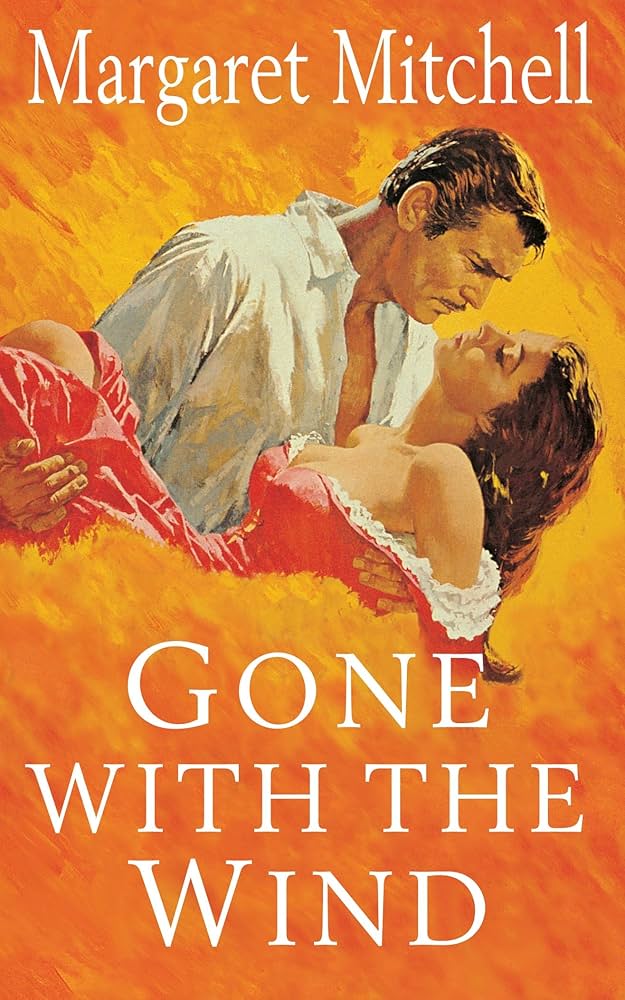
Gone with the Wind, written by Margaret Mitchell, is a sweeping historical novel set during the turbulent times of the American Civil War and Reconstruction. First published in 1936, this timeless classic continues to captivate readers with its rich narrative and vivid characterizations. The story revolves around Scarlett O'Hara, a strong-willed Southern belle, whose life is dramatically altered by the events of the war.
The Plot Overview
The novel follows Scarlett O'Hara, who is determined to hold onto her family’s plantation, Tara, in Georgia, despite the many challenges posed by the war. The story chronicles her fierce resilience and relentless pursuit of love, especially her tumultuous relationship with Rhett Butler. Scarlett’s journey is not just about survival; it shows how she transforms from a naive young woman into a pragmatic survivor, who must face the harsh realities of a world turned upside down by war.
Character Analysis
What makes Gone with the Wind so fascinating is its rich tapestry of characters. Scarlett O'Hara is often criticized for being selfish and manipulative, yet her evolution throughout the story invites empathy. Rhett Butler stands out as a complex figure, full of charisma and a moral ambiguity that challenges societal norms of the time. Supporting characters, like Melanie Hamilton and Ashley Wilkes, serve as foils to Scarlett, highlighting various aspects of her personality and values.
Moreover, the novel doesn’t shy away from tackling the impact of slavery and racial issues, particularly through its portrayal of Mammy and other black characters. Mitchell offers a mainly white Southern perspective, which has sparked discussions on racial sensitivity and the historical context of the story.
Writing Style and Themes
Margaret Mitchell's writing style is both evocative and engaging. Her ability to create vivid imagery and emotional depth lets readers immerse themselves in the historical setting. Themes of love, loss, and survival resonate throughout the narrative, intertwining personal struggles with larger societal changes.
Gone with the Wind isn't just a romantic tale; it’s a reflection on the resilience of the human spirit during tough times. The contrasts between the antebellum lifestyle and the devastation of war serve as a backdrop, highlighting how history transforms individual lives.
Conclusion
In conclusion, Gone with the Wind remains an important work of literature, inviting readers to engage with its complex characters and intricate themes. While it has sparked debates on its portrayal of race and gender, there’s no denying its influence on American literature. For those looking for a powerful story that goes beyond just romance, Margaret Mitchell’s masterpiece continues to be a compelling read, affirming its place in the literary canon.