
Rich Dad's Cashflow Quadrant
Think Rich To Get Rich
SELF IMPROVMENT
Introduction to the Cashflow Quadrant
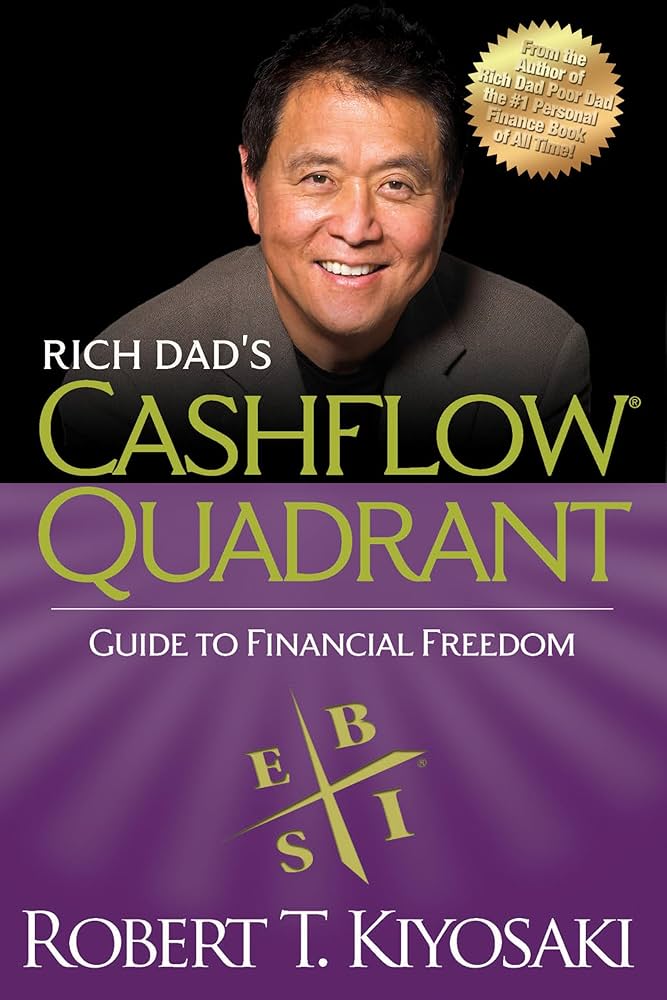
Have you ever wondered why some people seem to effortlessly create wealth while others struggle to make ends meet? If so, you need to check out the Cashflow Quadrant, a powerful tool introduced by Robert T. Kiyosaki in his book, "Rich Dad's Cashflow Quadrant." This concept provides insights into the different ways people earn income and can help you identify your own financial path.
The Four Quadrants Explained
The Cashflow Quadrant comprises four categories: Employee (E), Self-Employed (S), Business Owner (B), and Investor (I). Each quadrant reflects a different approach to generating income, and understanding these distinctions can significantly shape your financial success.
1. Employee (E): This quadrant encompasses those who work for someone else, trading time for money. While it provides stability, it can also limit your income potential since salary caps often constrain growth.
2. Self-Employed (S): People in this quadrant work for themselves, whether through freelancing or owning a small business. Although they can have more control over their time, they often face challenges maintaining consistent cash flow.
3. Business Owner (B): Business owners leverage systems and teams to create income. They invest time and resources into building a business that operates independently, thus allowing them to earn money without direct involvement.
4. Investor (I): Investors make money through various investment avenues, whether in stocks, real estate, or other assets. This quadrant focuses on letting money work for you, rather than exchanging time for dollars.
Why It Matters
Understanding the Cashflow Quadrant is essential for anyone looking to take control of their financial future. By pinpointing your current position within the quadrants, you can map out a strategy for transitioning to a more advantageous quadrant, especially from E and S to B and I. This transition often requires mindset shifts, education, and, above all, the right tools.
Remember, it’s not about where you start; it’s about how you plan to grow. Whether you’re in the E quadrant and dreaming of becoming a successful investor or you're already self-employed and want to scale your business, there's room for advancement. The key lies in understanding your current strengths and areas for growth.
Conclusion
Robert T. Kiyosaki’s "Rich Dad's Cashflow Quadrant" offers valuable lessons that anyone can apply in their lives. By recognizing which quadrant you currently occupy and where you want to be, you can take proactive steps toward achieving financial independence. Dive deep into the concepts of the quadrants, and start your journey to mastering money today!